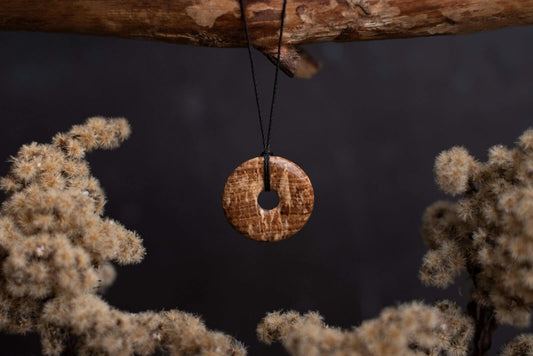
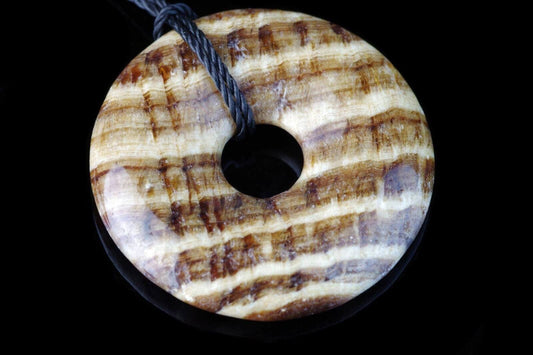
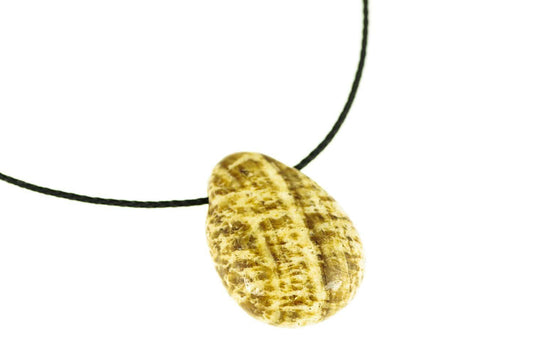
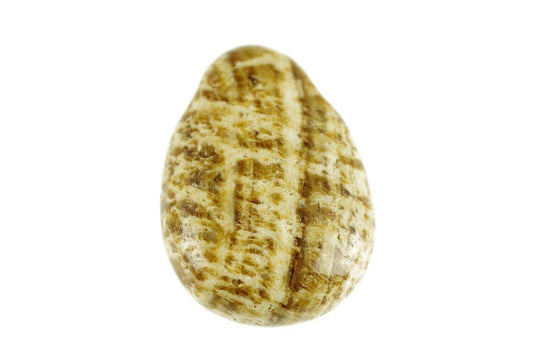
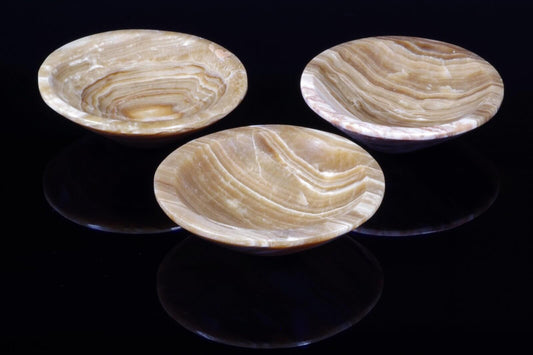
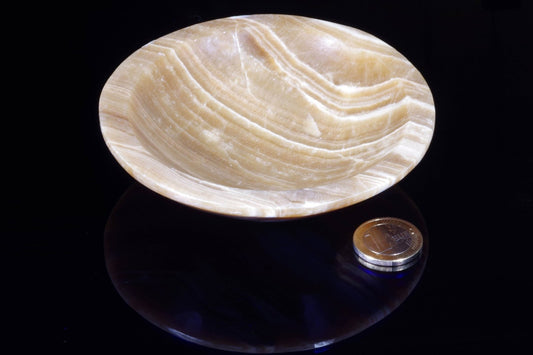
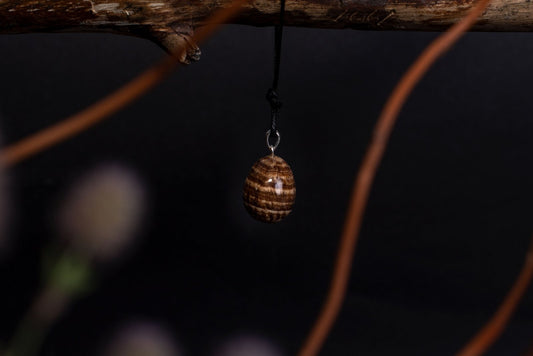
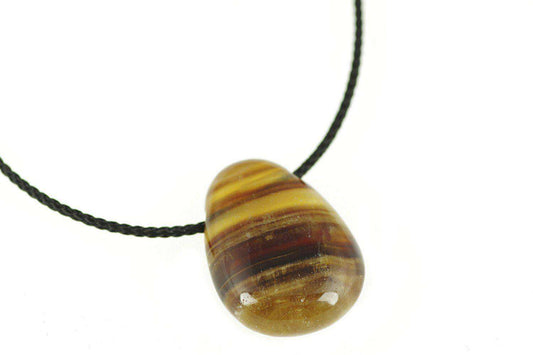
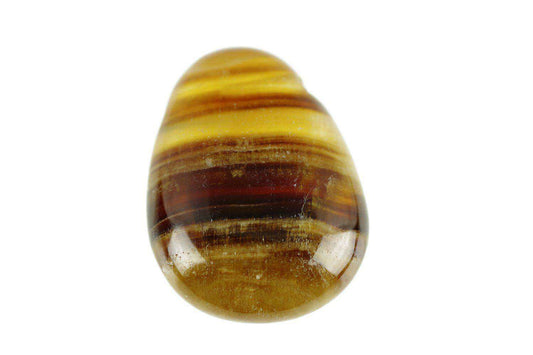
Kollektion: Aragonitas

✺

Aragonite – the Earth’s radial geometry, inner support, and an aura of calm focus

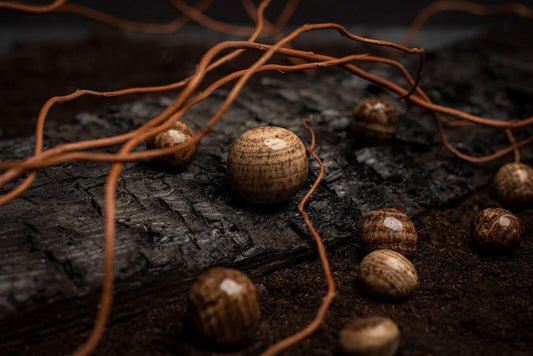
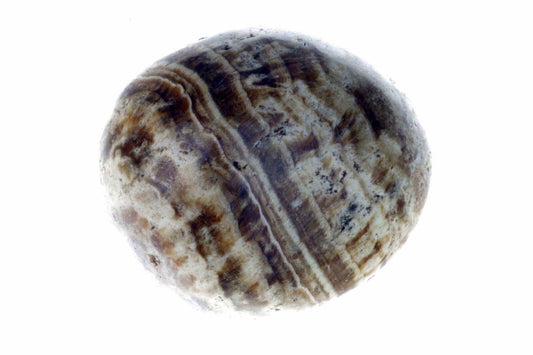
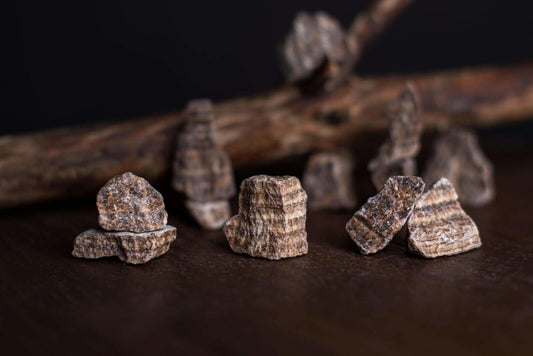
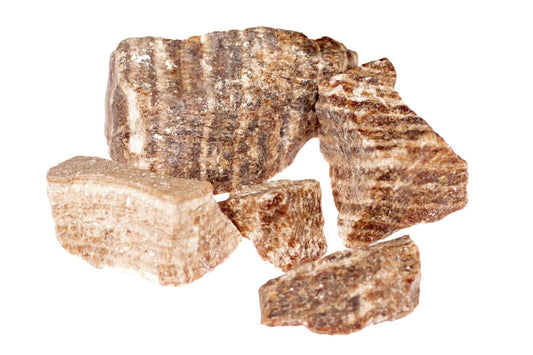
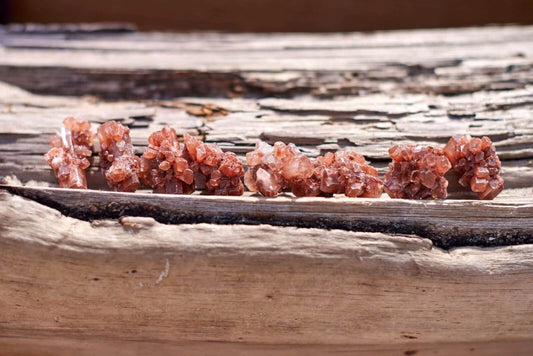
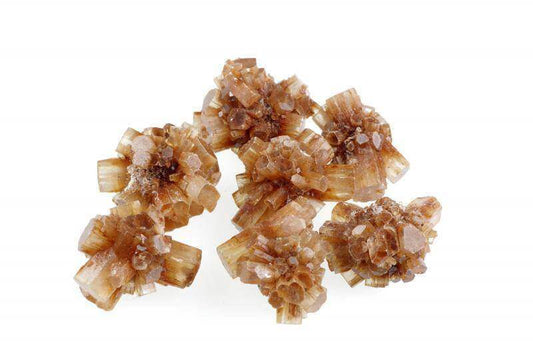
Aragonite is a calcium carbonate mineral that can grow as needles, prisms, fibers, branched clusters, and star-like crystal clusters. Its honey, caramel, orange, white, green, and blue tones reveal the extraordinary diversity of a single mineral substance variety of forms and colors.

✨ What makes aragonite special?

  • Its crystals create lively geometric forms: elongated needles and prisms can grow radially from a common center, join into branched bouquets or form impressive, deposits opening out in all directions.
  • Its color palette is surprisingly broad: aragonite can be colorless, snow-white, honey-yellow, caramel, orange, pink, green, or even vivid blue, depending on impurities and the growth environment.
  • Its beauty requires gentleness: with a hardness of about 3.5–4, aragonite is fairly soft and fragile, therefore the fine crystal needles and expressive clusters is best revealed in safely kept collectible specimens.
🔮 The aura of aragonite

  • An aura of grounding and centering: crystals growing in all directions from a single center can remind us that the strongest movement begins when we first we discover our inner point of support.
  • An aura of patience and emotional balance: aragonite is traditionally associated with calmer reactions, tolerance and the ability not to lose oneself when everything around many things are happening at once.
  • An aura of order in complexity: many crystals growing in different directions still belong to one structure, so it can symbolize the possibility of bringing together responsibilities, thoughts, and desires into a meaningful whole.

🌊 The same formula, yet a completely different architecture

  • Aragonite and calcite have the same formula: both consist of calcium carbonate, but their atoms are arranged differently, so the minerals create different crystal forms and has variable stability.
  • Living organisms build it too: corals, mollusks, and some algae form aragonite from seawater aragonite for their shells and skeletons, turning the mineral into an important part of the architecture of living reefs.
  • Its name comes from Spain: the mineral was named after the Aragon region, where it was scientifically distinctive-structure specimens were identified, helping distinguish it from calcite with a similar composition.

Keep aragonite nearby when you want to return to your center, organize a multitude of thoughts or calmly continue work whose results still taking shape. Its radial geometry can remind you that Different directions do not necessarily mean chaos if they grow from of a firm and consciously chosen foundation.

Find your center. Gather your scattered directions. Let inner support grow a new form.

Du er mere